Mediation, which is revolutionary in the Turkish legal system, is based on the "win-win" principle. This system, where parties produce their own solutions instead of lawsuits lasting for years, is of critical importance especially in regions with high commercial volume like Cerkezkoy.
Mediation is mandatory in Turkish employment and commercial law. Agreements reached through mediation have the force of court judgments. The process typically completes within 3 weeks and is faster and more economical than litigation.
In Which Cases is Mediation Mandatory?
In some disputes, applying to a mediator before going to court is a condition of litigation. If an application is not made, the case is rejected on procedural grounds. Here are the areas covered by mandatory mediation:
Labor Cases
Severance, notice, overtime, wage receivables, and reinstatement claims.
Commercial Cases
Receivables and compensation claims between merchants.
Consumer Cases
Consumer disputes above a certain amount (bank, defective goods, etc.).
Rental & Neighbor Disputes (NEW)
As of September 1, 2023, rent determination, eviction cases, and condominium problems.
4 Major Advantages of Mediation
-
1. Time Saving
While lawsuits can take 2-3 years with local court and appeal processes, mediation meetings usually conclude within 2-3 weeks, at most 8 weeks.
-
2. Low Cost
There are no expenses such as court filing fees, expert witness fees, notification costs. If an agreement is reached, a nominal mediation fee is paid.
-
3. Full Confidentiality
Court hearings are open to the public, but mediation is completely confidential. Your trade secrets or family privacy are protected.
-
4. Enforceability
The text agreed upon by the parties has the effect of a court decision (verdict). If the agreement is not followed, direct execution proceedings can be initiated without the need to file a lawsuit.
How Does the Process Work?
The mediator is not the decision-maker (like a judge). The mediator is an independent third party who gathers the parties around a table, ensures communication, and generates solution options.
Atty. Fatih Özden manages this process professionally in Cerkezkoy as an expert mediator registered with the Ministry of Justice.
Voluntary Mediation
Outside of mandatory cases (e.g., property division phase of divorce, contract disputes), parties can go to a mediator voluntarily at any time. This ensures that relationships are maintained without breaking.
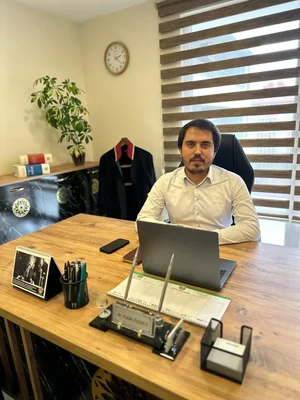
Atty. Fatih Özden
Marmara University Faculty of Law Graduate | Expert Mediator
Attorney Fatih Özden operates his law office across from Çerkezköy Courthouse, specializing in family law, employment law, criminal defense, and mediation. He provides legal representation and expert mediation services in Çerkezköy, Kapaklı, and Saray regions.